

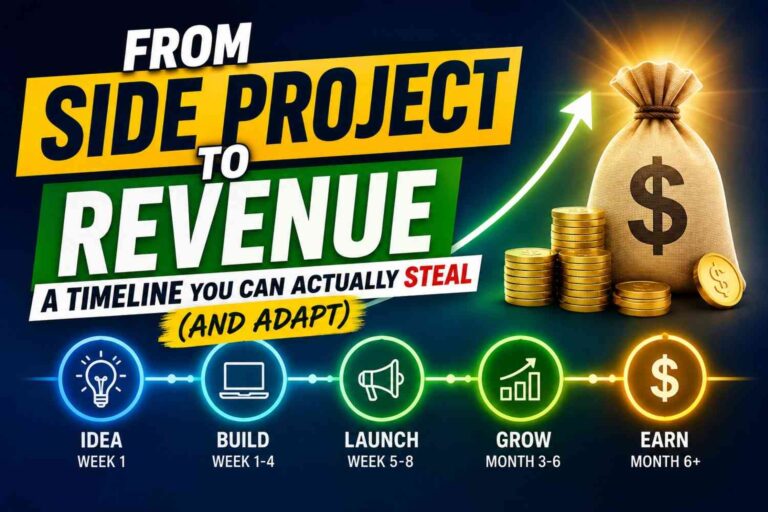
From Side Project to Money Makers
Side projects succumb to vagueness: ambiguous ICP, ambiguous pricing, ambiguous weekly time commitment. The following is a timeline structure for transforming the side project into a money-maker. It focuses on constraints, milestones, and truthful kill switches. Lengthen or shorten the phases depending on your life, but not the order.
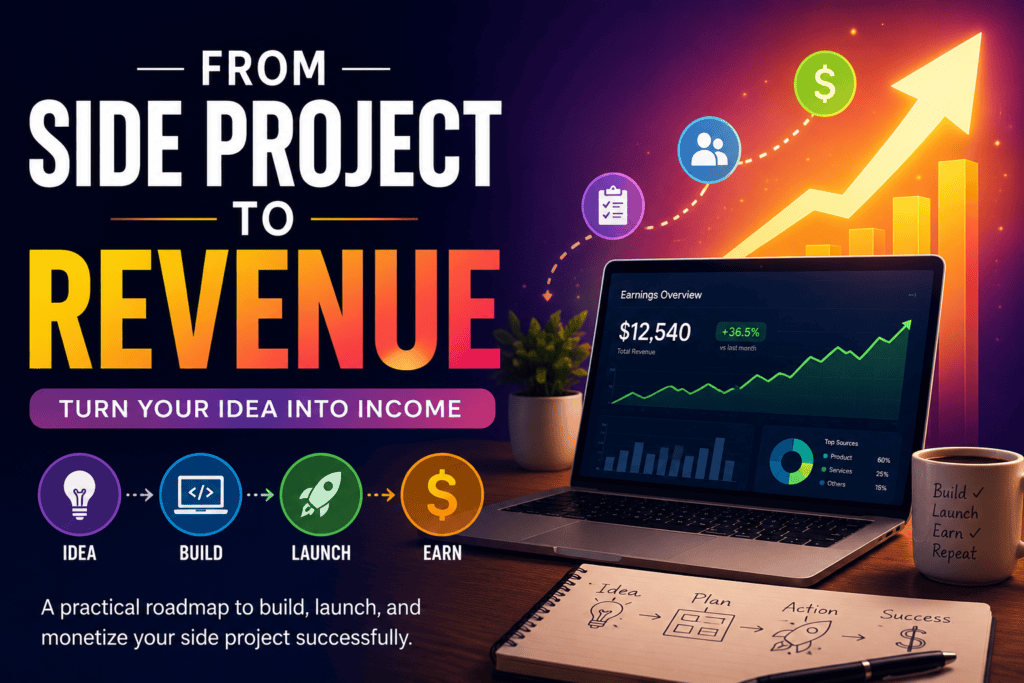
Phase 0: problem lock (2–4 weeks)
From Side Project to Revenue Write a one-page problem hypothesis supported with evidence, such as interviews, forum pain, and invoices you’ve seen. If you can’t name who is paying, you don’t have a business – only a side project.
Validate the problem before you build
From Side Project to Revenue Don’t write code until you understand the problem from the perspective of the customer. Look for pain points, workarounds, and places where someone is spending money. The better-defined the problem is, the clearer the case will be for solving it. The earlier-stage research will also help you avoid wasting months building things customers don’t need.
Phase 1: concierge MVP (4–8 weeks)
Generate Value Manually Where Possible The human behind the curtain will teach you edge cases before you encode them in software.
How a Concierge MVP decreases risk
From Side Project to Revenue By using a concierge MVP, a founder is able to validate the entire customer journey without a heavy investment in automation upfront. Rather than creating dashboards, integrations, and workflow automation right off the bat, give the core value proposition manually.https://www.sba.gov/counseling/plan-your-business/?utm
Phase 2: paid pilot (4–12 weeks)
Going from Side Project to Revenue Conduct a small test run to no more than three clients. Price the offering based on the value provided, not your time—capture the results.
Locating the First Customers
Going from Side Project to Revenue The initial customers are not necessarily found by reaching a wide audience. Start with people who recognize the problem and have a valid reason for solving it.
Phase 3: productize (8–16 weeks)
Turning the Side Project into Revenue Repetition is the key here. Figure out how to automate the repetitive parts and keep the human review for the critical parts. After you know that the product works and people pay for it, try to make the whole process automated. Understand where new customers come from, what features they use, and what needs manual handling in the delivery.
Comparison: hobby vs structured side business
| Mode | Outcome |
|---|---|
| Hobby | Joy, learning |
| Structured | Revenue risk |
Who should use whatAdvantages
- Income verifies willingness to pay
- Prioritizes
Disadvantages
- Creativity less pure
- Duty
Time boxing and family reality
From Side Project to Revenue: Fail when you steal sleep from your founders rather than from your calendar.
Before you set your pricing, read through Stripe’s pricing page to learn how the cost of payments and subscriptions will impact your revenue model.
To turn your side project into revenue isn’t about getting that perfect idea or becoming an instant success. It’s about solving a real problem, making a real solution, releasing it, and then refining based on customer feedback.
Pricing experiments that teach
From Side Project to Revenue Early revenue acts as a sensor, test annual plans against monthly plans for B2B customers, test packaged services against hourly services. Keep track of who buys and why. Do not keep changing prices every week.
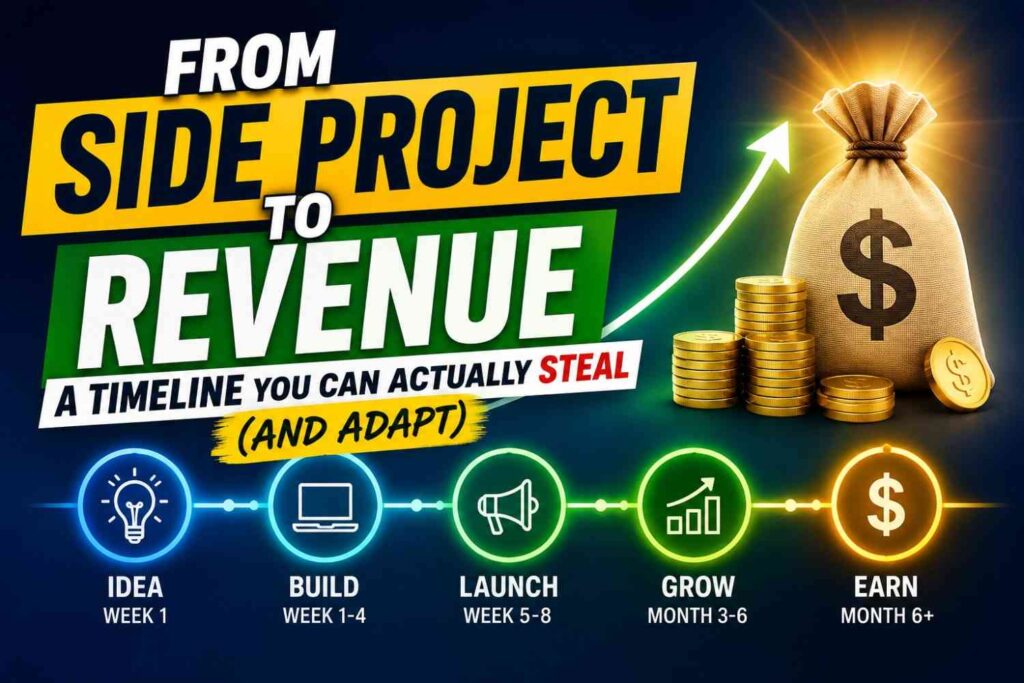
Kill metrics (preserve your life years)
Establish stopping metrics: no paying customer by date X, change direction or take a break. Emotionally bonding to your code is very costly. Document even failed attempts for closure.
Legals & operations essentials (not romanticizing)
Sometimes even little pilots require some legal and operational foundations like company registration, taxation knowledge, and contracts establishing IP ownership and liability rules. This is not joy—adulting saves you from existential risk.
A side project can keep getting better after its first launch. The early launch provides you with real-life data that planning could never give you. Take advantage of the first iteration, see what works, get feedback, and improve accordingly.
Cost discipline between milestones
From Side Project to Revenue milestones must go together with maximum allowed cost. The founders too often cheer for their first dollar and at the same time secretly equip themselves with tools, contractors, and advertisement budgets, which kill gross margin.
Side projects creators tend to try and build everything before checking out if customers really want a product. It would be better to start with something minimalistic solving one problem only.
Customer interviews that generate price signal
All customer interviews are not the same. Ask customers what they pay now, what their alternatives are, and what their switching costs are. Questions like “would you use this?” generate social niceties, but no price signal. Questions related to real budget behavior generate price truth.
Structure your interview notes using a common format, and patterns will start to appear. The point is not absolute certainty; it is minimizing guesswork before writing months of code.
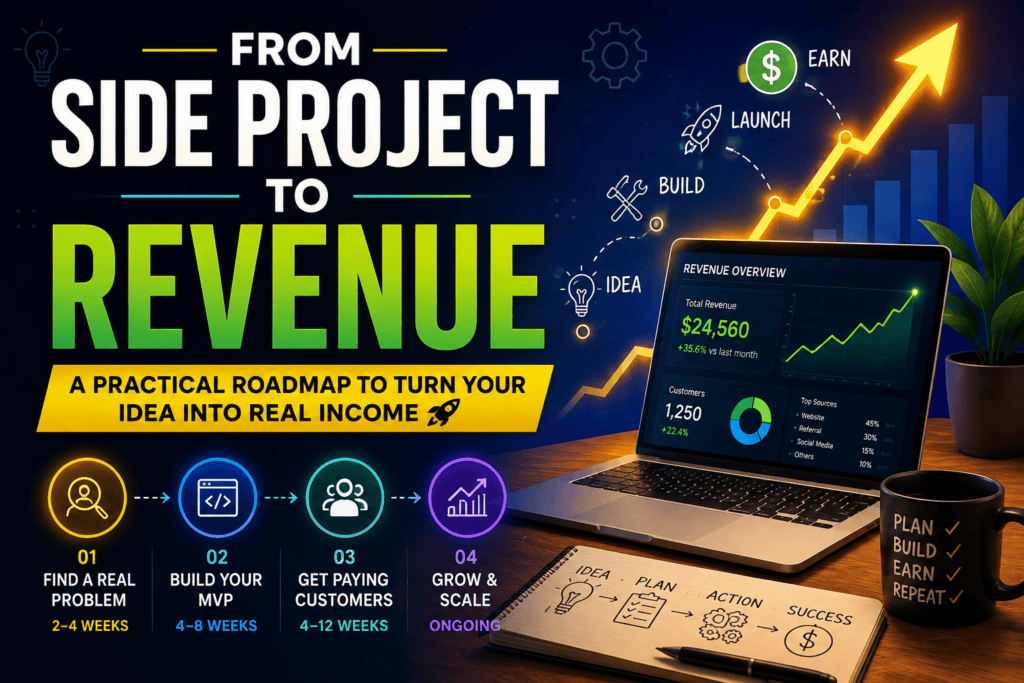
Related on InsightEra
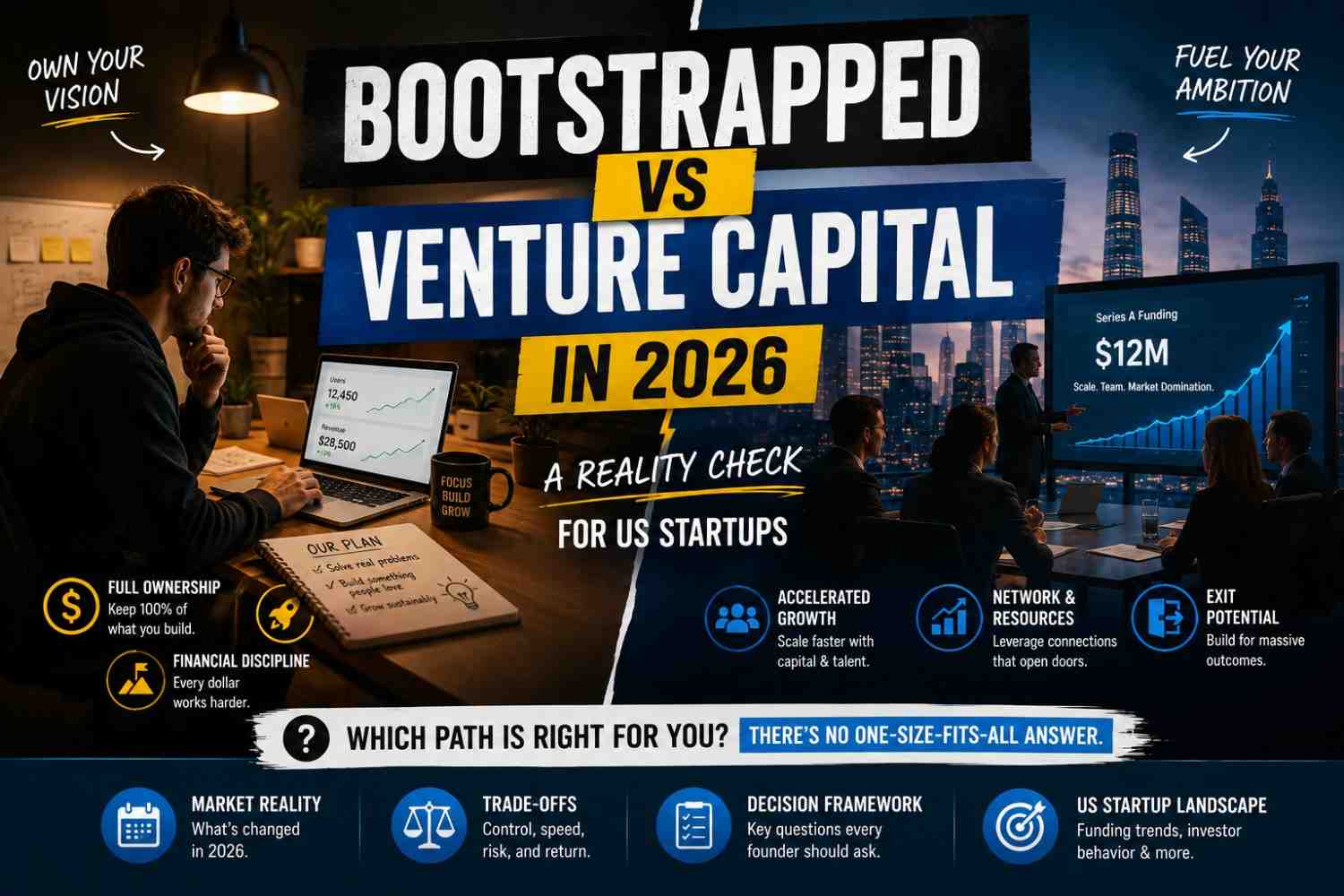
- Bootstrapped vs VC
- AI for online businesses
- Grocery and neighborhood retail
- Case study: 12-person agency
- The digital revolution in the USA
Takeaway: Revenue is not a result but an outcome of a decision.
There are many entrepreneurs who have adopted ‘From Side Project to Revenue: A Timeline Actually Steal’ to accomplish their objectives.
By using ‘From Side Project to Revenue: A Timeline Actually Steal’, one can overcome many mistakes.
‘From Side Project to Revenue: A Timeline Actually Steal’ can help many budding entrepreneurs find a pathway.
There are many entrepreneurs who have succeeded by implementing ‘From Side Project to Revenue: A Timeline Actually Steal’ in their ventures.
In this entire process, ‘From Side Project to Revenue: A Timeline Actually Steal’ acts as a guiding philosophy for many entrepreneurs.
Table of Contents

View comments (1)